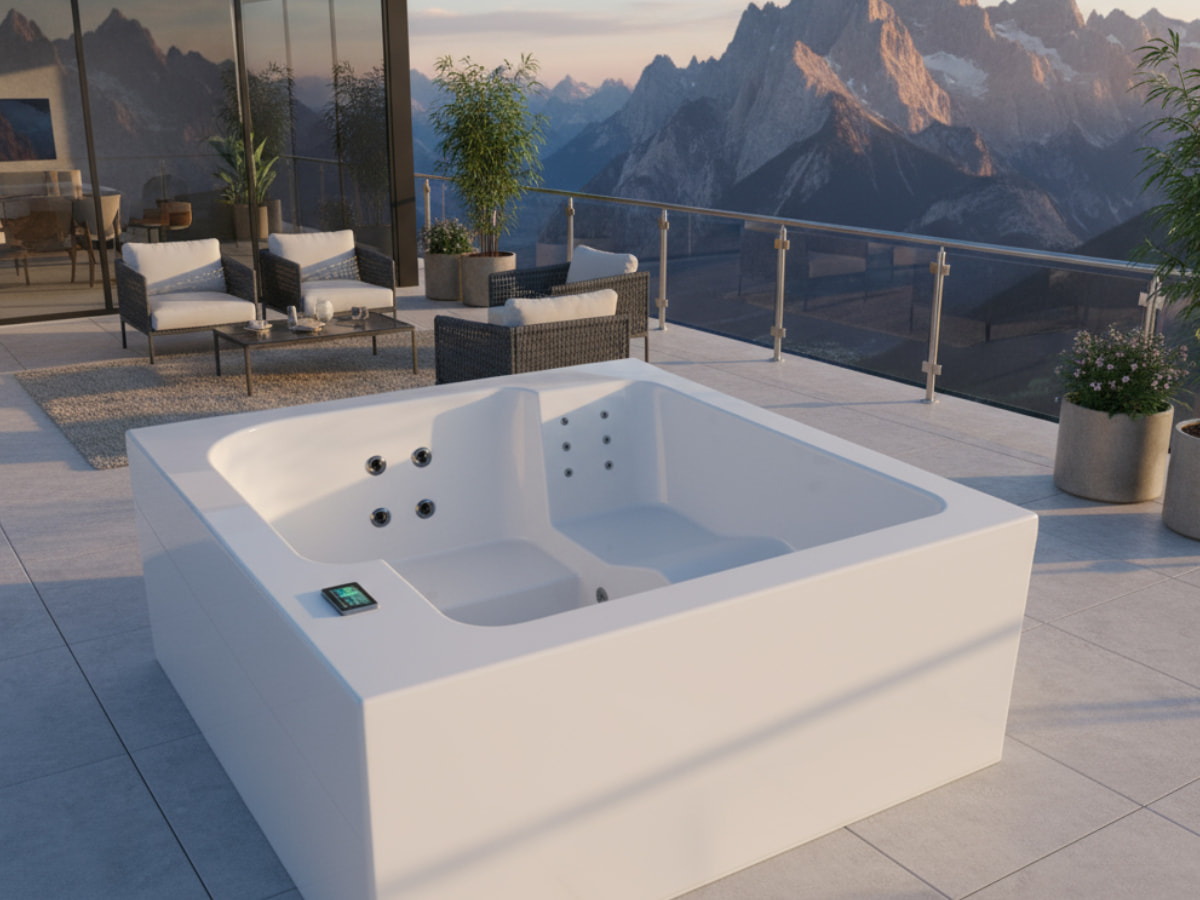
When it comes to choosing a spa or hot tub for your home, understanding the differences between various types of products is crucial. Two popular options on the market today are foam spas and traditional hard acrylic tubs. Each offers unique advantages and disadvantages that cater to different needs and preferences. This article will provide a comprehensive comparison between these two distinct types of spas.
Material Composition
Foam Spas represent an innovative approach to spa design. Unlike traditional spas, foam spas are constructed entirely from foam insulation material. This revolutionary design eliminates the need for an acrylic shell and wooden or metal frame found in conventional spas. The foam material provides natural insulation properties that significantly reduce heat loss and energy consumption.
Traditional Hard Acrylic Tubs, on the other hand, are made using sheets of acrylic plastic that are thermoformed and reinforced with layers of fiberglass or other support materials. This multi-layer construction gives acrylic tubs their rigid structure and durability. The acrylic surface is non-porous, smooth, and available in a wide range of colors and finishes.
Key Differences Comparison
Feature | Foam Spas | Traditional Hard Acrylic Tubs |
Material | 100% foam insulation material | Acrylic plastic reinforced with fiberglass |
Weight | Lightweight (200kg for 6-person model) | Heavy (often requires crane for installation) |
Portability | Excellent - can be moved by 1-2 people | None - permanent installation required |
Installation | DIY in under 20 minutes, no professionals needed | Professional installation required with concrete base |
Comfort | Exceptional - soft, adapts to body shape | Good - hard, molded seating |
Heat Retention | Excellent - no heat loss, 50% more efficient | Good - but higher heat loss |
Energy Consumption | Very low | Higher running costs |
Durability | Moderate - foam construction | High - 10-15 year lifespan, some up to 40+ years |
Price Range | €9,900 - €19,900 | Significantly higher (often €20,000+) |
Safety | Safe for children and elderly - no hard edges | Potential safety concerns with hard surfaces |
Maintenance | Easy - simple cleaning system | Moderate - requires regular maintenance |
Design Flexibility | Unlimited shapes, sizes, colors | Limited by manufacturing processes |
Comfort and User Experience
One of the most significant advantages of foam spas is their unparalleled comfort. The foam material provides a soft, cushioning surface that adapts to the user's body size and weight. This creates a sensation similar to sitting in a comfortable sofa rather than a hard tub. The absence of hard edges and slippery surfaces makes foam spas particularly safe and comfortable for children and elderly users.
Traditional acrylic tubs offer a more rigid seating experience. While the acrylic surface is smooth and warm to the touch, it lacks the adaptive comfort of foam. The molded seating is designed for ergonomic support but cannot match the personalized comfort provided by foam's ability to conform to individual body shapes.
Energy Efficiency and Environmental Impact
Foam spas excel in energy efficiency due to their unique construction. The foam material acts as a natural insulator, preventing heat loss and reducing energy consumption by up to 50% compared to traditional spas. This not only lowers operating costs but also reduces the environmental footprint of the spa.
Acrylic tubs have good insulation properties but typically require more energy to maintain water temperature. The heat loss through the acrylic shell and surrounding structure means higher energy bills and greater environmental impact over time.
Installation and Maintenance
Foam spas offer remarkable ease of installation. They can be set up by homeowners in under 20 minutes without the need for professional help, special tools, or dedicated electrical work. The lightweight design means no crane or heavy equipment is required. Maintenance is simplified through integrated cleaning systems and easy-to-clean surfaces.
Traditional acrylic tubs require professional installation with a permanent concrete base and dedicated electrical connections. The installation process is complex and time-consuming, often requiring multiple tradespeople. Maintenance involves regular cleaning of the acrylic surface and more complex servicing of the mechanical components.
The choice between a foam spa and a traditional hard acrylic tub ultimately depends on individual needs, budget, and preferences. Foam spas offer superior comfort, energy efficiency, and ease of installation, making them an excellent choice for those seeking a flexible, eco-friendly option. Traditional acrylic tubs provide greater durability and a wider range of design options but come with higher costs and installation requirements.