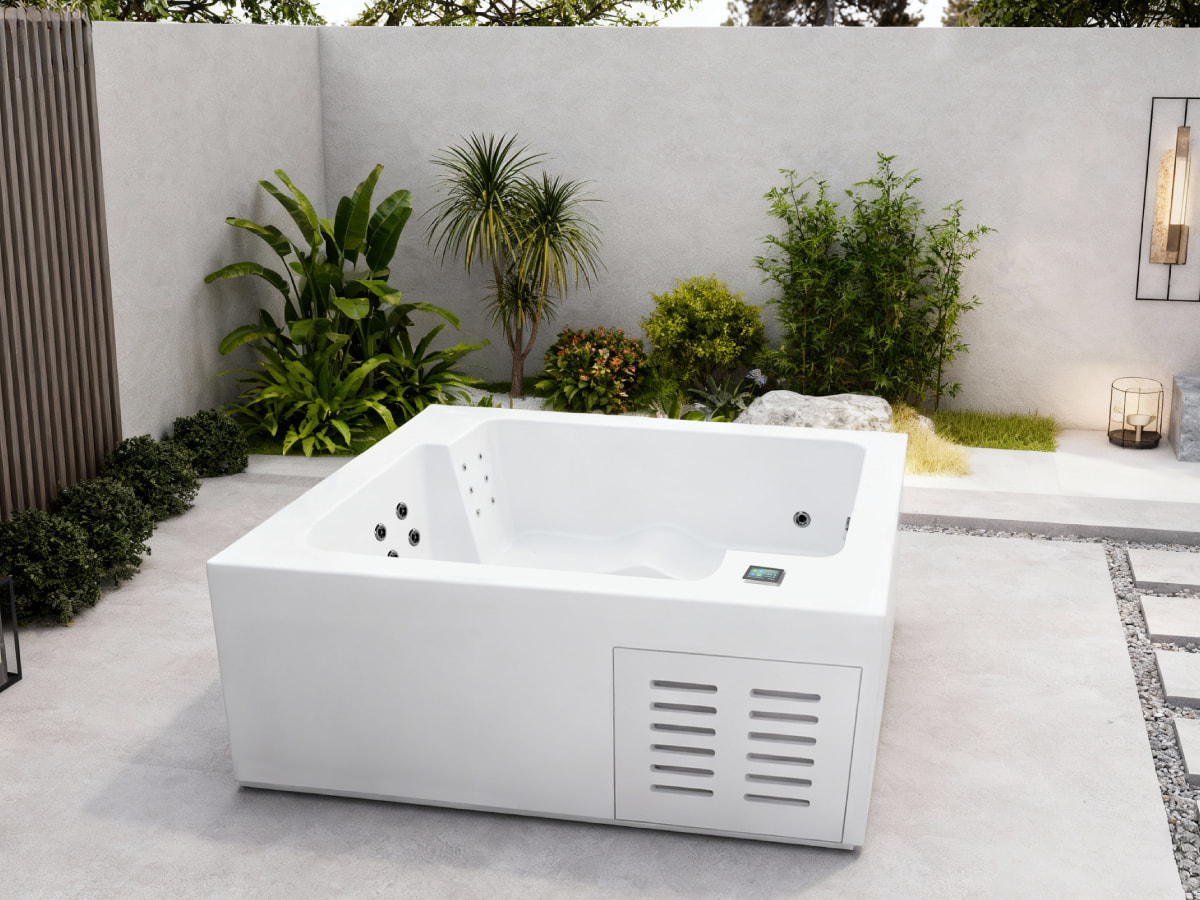
Portable spas have become increasingly popular for homeowners looking to enjoy the benefits of hydrotherapy in the comfort of their own homes. Two of the most popular portable options are foam spas and inflatable hot tubs. While both offer the convenience of portability, they differ significantly in construction, performance, and user experience. This article will explore the key differences between these two types of portable spas.
Construction and Design
Foam Spas represent a revolutionary approach to portable spa design. They are constructed using high-density foam insulation material that forms the entire structure of the spa. This innovative design eliminates the need for traditional shells, frames, or inflatable components. The foam core provides structural integrity while also acting as an excellent insulator. Foam spas maintain their shape permanently and do not require inflation or deflation.
Inflatable Hot Tubs are constructed using durable PVC or vinyl materials that are designed to be inflated with air to create the spa structure. Most inflatable models feature multiple layers of material for added strength and puncture resistance. They typically have an inflatable outer wall and a separate inner liner to hold the water. When not in use, inflatable hot tubs can be deflated and stored compactly.
Key Differences Comparison
Feature | Foam Spas | Inflatable Hot Tubs |
Construction | Solid foam insulation material | Inflatable PVC/vinyl with air chambers |
Weight | 200kg (empty, 6-person model) | 45-100lbs (empty) |
Portability | Very good - can be moved by 1-2 people | Excellent - can be packed away and moved by one person |
Set-up Time | Under 20 minutes | 10-30 minutes (including inflation) |
Durability | High - rigid foam construction | Moderate - susceptible to punctures |
Comfort | Exceptional - soft, adaptive surface | Good - padded but less supportive |
Heat Retention | Excellent - 50% more efficient | Good - with insulated covers |
Energy Consumption | Very low | Moderate - higher than foam spas |
Price Range | €9,900 - €19,900 | 1,000 - 4,000 |
Seating Capacity | 2-6 people | 2-7 people |
Water Capacity | 1,000-1,500 liters | 200-300 gallons (750-1,100 liters) |
Jet System | 12-26 water jets | 100-180 bubble jets |
Noise Level | Very quiet (15% quieter) | Moderate - pump noise |
Storage | Requires permanent space | Can be deflated and stored compactly |
Lifespan | Estimated 10+ years | 3-5 years with proper care |
Performance and Functionality
Foam Spas offer performance comparable to traditional fixed spas but with the benefits of portability. They feature powerful water jet systems (typically 12-26 jets) that provide therapeutic massage. The foam construction allows for better water circulation and more consistent jet performance. Most foam spas include advanced features like UV cleaning systems, LED lighting, and sophisticated control panels with multiple language options.
Inflatable Hot Tubs primarily use air bubble systems rather than traditional water jets. These systems create thousands of bubbles that provide a soothing massage experience but lack the therapeutic intensity of water jets. Inflatable models typically have 100-180 bubble jets. While they include heating systems and filtration, their performance is generally more basic compared to foam spas.
Comfort and User Experience
Foam Spas deliver an exceptional comfort experience. The foam material provides a soft, supportive surface that adapts to the user's body shape and weight. This creates a luxurious feel similar to a high-end massage chair. The rigid structure provides stable seating without the bouncing or movement found in inflatable models. The absence of hard edges and slippery surfaces enhances safety and comfort.
Inflatable Hot Tubs offer good comfort with padded floors and walls. However, the air-filled construction means the seating can feel less stable and may bounce slightly when users move. The surface is not as adaptive as foam and provides less personalized support. Most inflatable models include contoured headrests to enhance comfort.
Energy Efficiency
Foam Spas are significantly more energy efficient than inflatable hot tubs. The foam construction provides excellent insulation, reducing heat loss by up to 50% compared to other portable spas. This means lower operating costs and a smaller environmental footprint. Foam spas can cost as little as £2.40 per day to operate.
Inflatable Hot Tubs have good energy efficiency for their category, especially when used with the included insulated covers. However, the air-filled construction is not as thermally efficient as solid foam. The heating systems in inflatable models typically heat water at a rate of 1-1.5°C per hour, which is slower than foam spas.
Durability and Maintenance
Foam Spas offer superior durability compared to inflatable models. The rigid foam construction is resistant to damage and can withstand outdoor conditions year-round. Maintenance is straightforward with integrated cleaning systems and UV water treatment. The foam material is also resistant to fading and deterioration from sunlight.
Inflatable Hot Tubs require more careful maintenance to prevent punctures and damage. While modern materials are puncture-resistant, they are still vulnerable to sharp objects. Most models include repair kits for small punctures. The vinyl materials can be susceptible to fading and degradation from prolonged sun exposure.
Cost Considerations
Foam Spas represent a higher initial investment but offer better long-term value. Prices range from €9,900 for 2-person models to €19,900 for 6-person models. The higher cost is justified by superior performance, durability, and energy efficiency.
Inflatable Hot Tubs are more affordable upfront, with prices ranging from 1,000 to 4,000. However, they typically have shorter lifespans (3-5 years) and higher operating costs compared to foam spas. The lower initial investment makes them accessible to a wider range of consumers.
Both foam spas and inflatable hot tubs offer the benefits of portable hydrotherapy, but they cater to different needs and budgets. Foam spas provide superior performance, comfort, and energy efficiency, making them ideal for those seeking a premium portable spa experience. Inflatable hot tubs offer greater affordability and convenience for casual users or those with limited space.